
"coffee in Central America"
5000 article(s) found

Martinique is an island and the birthplace of coffee in Central America.
Martinique is a small island and the birthplace of coffee in Central America, but it produces very little coffee today. The first coffee tree in the Western Hemisphere was brought from France by GabrielMathieudeClieu in the early 1820s. In his early years, Dirkley was a naval officer in Martinique. He brought back a coffee tree and planted it in Pritchell.
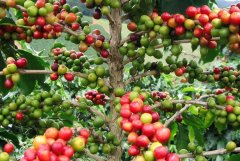
Martinique is an island and the birthplace of coffee in Central America.
Martinique is a small island and the birthplace of coffee in Central America, but it produces very little coffee today. The first coffee tree in the Western Hemisphere was brought from France by GabrielMathieudeClieu in the early 1820s. In his early years, Dirkley was a naval officer in Martinique. He brought back a coffee tree and planted it in Pritchell.

Martinique is a small island and the birthplace of coffee in Central America.
Martinique is a small island and the birthplace of coffee in Central America, but it produces very little coffee today. The first coffee tree in the Western Hemisphere was brought from France by GabrielMathieudeClieu in the early 1820s. In his early years, Dirkley was a naval officer in Martinique. He brought back a coffee tree and planted it in Pritchell.

Blue Mountain Coffee in the Blue Mountain region of Central America and Jamaica
Blue Mountain Coffee (Blue Mountain Coffee) is a kind of coffee with high public awareness, which is produced only in the Blue Mountain region of Jamaica in Central America, and only coffee grown in the Blue Mountain area above 1800 meters can be authorized to use the logo of Jamaican Blue Mountain Coffee (Blue Mountain Coffee), accounting for 15% of the total production of Jamaica Blue Mountain Coffee. And planted between 457m and 1524 meters above sea level

Coffee Network recommends Ataisi Manor in El Salvador, America, micro-batch washing Pacamara Pacamara.
El Salvador is located in Central America, bordered by Guatemala and Honduras in the north, and the Pacific coastline in the west and south. El Salvador is the smallest country in Central America and the most densely populated country in Central America. Although the territory of El Salvador is small, it has dozens of volcanoes. It is the country with the highest density of volcanoes in the world, so it is called the country of volcanoes. Full

Taiwan helps Central America fight Coffee Diseases
Tao Wenlong, secretary-general of the Foundation for International Cooperation and Development, signed a memorandum of understanding with the general manager of the Central American Economic Integration Bank on the 5th to assist in the coffee rust loan project in the Central American region. Dozens of people, including Ambassador of the Republic of China to Honduras Guo Yongliang, Minister of Agriculture and Animal Husbandry of Honduras Jacobo Regalado, coffee industry leaders and government officials, attended the ceremony.

Do American coffee beans represent that there are many coffee-growing places in America? evaluation of Central and South American Coffee
Professional Coffee knowledge Exchange more information about coffee beans Please follow the coffee workshop (official Wechat account cafe_style) every morning, millions of people around the world like to have a cup of coffee to start the day. In doing so, they may not know the exact location of the beans used to produce lattes or black coffee. Generally speaking, the top coffee growing and exporting regions in the world

Description of Latin American coffee flavor, introduction of Latin American coffee
The characteristics of the flavor of Central and South America: balanced, moderately sour and mellow Central and South America is the world's largest coffee producing area, where there are numerous boutique coffees. Take Colombia, Guatemala or Brazil as an example, good coffee is enough to make people dazzling. What is the resource advantage that makes Central and South America so good? French naval officer Gabriel Ma in 1721

Introduction to the basic knowledge of Coffee Coffee Machine Heat Exchange Boiler
● Mexico (Central America), the main coffee producer in Central America, has a comfortable taste and charming aroma. The Mexican coffees selected are Coatepec, Huatusco and Orizaba, among which Cottpe is considered to be one of the best in the world. The coffee cultivation belt of this country, regardless of geographical or climatic conditions, is related to

The Coscarpa region of El Salvador, a small coffee-producing country in Central America
It is one of the small countries in Central America with a very dense population. People here love coffee. The coffee in El Salvador tastes well balanced. Salvadoran coffee exports account for 40% of the country's exports. The best quality coffee is exported from January to March each year, and 35% of the extra hard beans are exported to Germany. In the early 1990s, due to the impact of the war, El Salvador's national economy

Coffee in Central America introduces the name and cultivation of coffee producing areas in seven countries.
For professional baristas, please follow the Coffee Workshop (official Wechat account cafe_style) 200Coffee School the land bridge between Central America and North and South America, there are seven countries: Belize, Costa Rica, El Salvador, Guatemala, Honduras, Nicaragua and Panama. Coffee is produced in seven Central American countries, including Guatemala, Costa Rica and Honduras.

Nicaragua, the poorest coffee-producing country in Central America, the flavor and taste manor of the coffee-producing area introduces Happy Village.
Nicaragua is now one of the poorest countries in Central America. Due to its poor economic foundation, the coffee industry is still relatively backward, while coffee farmers are in extreme poverty. Fortunately, Nicaraguan coffee has received some foreign aid funds to improve the quality of its coffee. Coffee from Madagelba, Sinodega and Segovia in Nicaragua
El Salvador, a coffee producer in Central America with a mild taste.
Unique, mild-tasting coffee. El Salvador is one of the small countries in Central America with a dense population. The flavor of its coffee is characterized by excellent balance. Today, this coffee accounts for 40% of the country's exports. 35% of the extra hard beans of the best coffee are exported to Germany from January to March. In the early 1990s, the guerrilla war greatly damaged the country's national classics.

IMPCT coffee concept hall helps children in Central and South America flip education
Professional barista exchanges, please pay attention to coffee workshop (Weixin Official Accounts cafe_style ) IMPCT opens its first coffee concept hall in Taiwan, and the proceeds will be used to cover kindergartens in Central and South America. Global coffee consumption has been rising in recent years, but farmers in many coffee-producing countries remain below the poverty line and have not benefited from increased coffee consumption.

Coffee flavor of Tianqi Manor in Matagalpa, Nicaragua, central Central America.
When tasting Nicaraguan coffee, it is best to drink cold water first, so that you can better feel its mellow taste. Drink coffee while it is hot, because the tannins in Nicaraguan coffee are easy to change during cooling, and the taste becomes sour, which will affect the flavor of the coffee. You can add the right amount of sugar, and then add cream. Enjoy a cup of high quality Niga
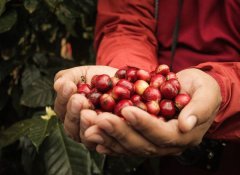
Costa Rica where coffee beans are grown in Central and South America.
Costa Rican coffee cultivation was introduced by Cuba in 1779 and exported for the first time in 1820. There are about 32000 coffee farmers, with an average planting area of less than one hectare (10000 hectares) per farmer. Costa Rica has a population of 41 billion (2006), with a coffee planting area of 82500 hectares and an annual production of 1.7 million bags (60kgs per bag). The annual domestic consumption is 380000 bags.

Mellow Nicaraguan Coffee introduces Los Congo Village in Central Central America in Matagalpa
When tasting Nicaraguan coffee, it is best to drink cold water first, so that you can better feel its mellow taste. Drink coffee while it is hot, because the tannins in Nicaraguan coffee are easy to change during cooling, and the taste becomes sour, which will affect the flavor of the coffee. You can add the right amount of sugar, and then add cream. Enjoy a cup of high quality Niga

Panamanian Baru Volcano, one of the highest volcanoes in Central America
Panama has one of the highest volcanoes in Central America: Mount Baru. The Baru volcano has an altitude of more than 3474 meters, and the surrounding land is rich and balanced in nutrients, providing sufficient conditions for the planting and cultivation of Panamanian coffee. Cold air currents converge and flow above 2262 meters in the Central Mountains, resulting in multiple in the Bouquete and Volcan regions.

Introduction of Nicaraguan Coffee Manor Los Congo Manor in Central Central America
Nicaraguan coffee is grown in fertile volcanic soil, and SHG is the best harvested from 1500 to 2000 meters above sea level. The local climate belongs to alpine terrain, which is surrounded by thick fog throughout the year and covers the whole mountain forest, resulting in a low-temperature and humid climate. Years of mating evolution of tree species, coupled with insisting on the ancient and time-consuming treatment process, retain natural acidity and strong aroma, and shade is used.
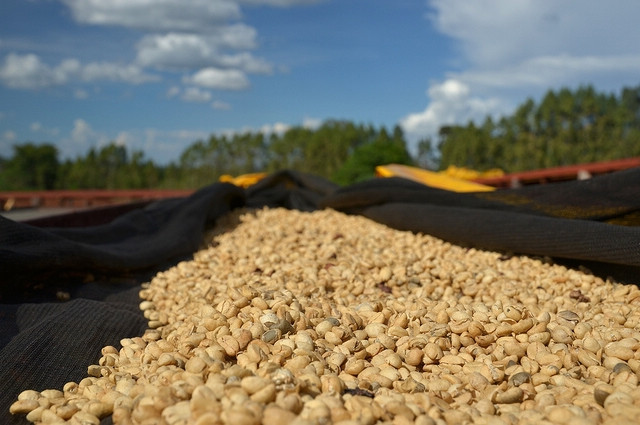
Royal Coffee processing Plant in St. Roman, a country grown in Central America, Tarazu, Costa Rica.
Costa Rican coffee cultivation was introduced by Cuba in 1779 and exported for the first time in 1820. There are about 32000 coffee farmers, with an average planting area of less than one hectare (10000 hectares) per farmer. Costa Rica has a population of 41 billion (2006), with a coffee planting area of 82500 hectares and an annual production of 1.7 million bags (60kgs per bag). The annual domestic consumption is 380000 bags.